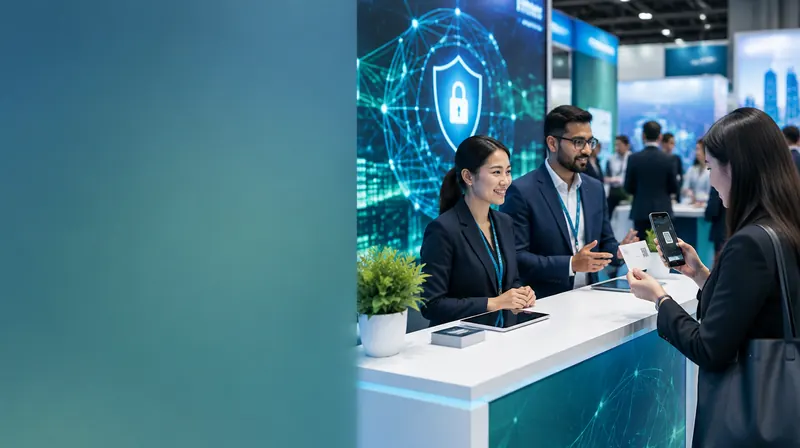
Treat the event as a listening post
For B2B marketers, the event is a place to test assumptions against real conversations.
GovWare is a cybersecurity conference and exhibition, which means the people walking the floor are, in large part, those responsible for protecting organisations and those who sell to them. For a security vendor, that is an unusually direct line to how buyers think about risk, priorities and budgets, outside the formal setting of a tender or a vendor assessment.
Cybersecurity buying is shaped by trust. Buyers weigh evidence, compliance obligations, integration effort and the credibility of the vendor's team as heavily as features. Listening for which concerns come up first, and which claims visitors question, tells you more about your positioning than any internal workshop. It also shows where your message sounds like everyone else's.
Questions worth listening for at GovWare
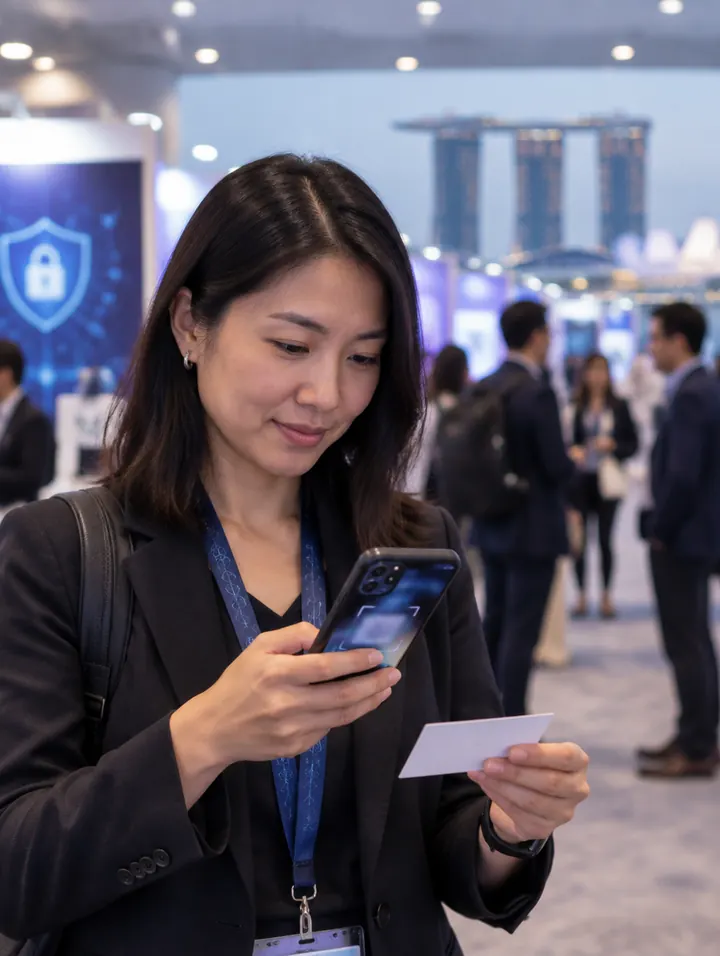
Give your team a short list of themes and ask them to note when visitors raise them unprompted. The questions buyers ask reveal more than the answers your team already knows how to give.
- How does this help us meet regulatory, audit and governance requirements, and what documentation supports it?
- What evidence is there that it works: independent testing, references or a proof of concept?
- How well does it integrate with our existing security stack and workflows?
- Where is our data held and processed, and who can access it?
- With skilled staff hard to find, what support, managed services or training come with it?
Turn observations into useful marketing
Before arriving, decide which people and questions matter most. During the show, listen for repeated needs and the language buyers use. Afterward, turn those observations into content, sales enablement and a more focused event plan.
Before the show
Pick the buyer roles that matter most, such as security leaders, risk and compliance owners or public-sector technology teams, and the assumptions you want to test with each. Book key meetings in advance and agree a short question guide so everyone records conversations the same way.
At the show
Lead with the visitor's situation rather than a product demo. At the end of each day, spend a few minutes as a team comparing patterns: recurring objections, phrases buyers used and topics that came up more often than expected.
After the show
Turn what you heard into specific assets: content that answers the most common compliance and integration questions, sharper talking points for sales and clearer proof on your website. Share a summary with sales and product while the conversations are still fresh.
Capture business cards without losing the context
After a busy day on the floor, cards pile up in pockets, handwritten notes become hard to read and photos of cards disappear among hundreds of other images on a phone. What gets lost most is the context of each conversation, and without it the follow-up becomes a generic email that rarely gets a reply.
Straight after the conversation, scan the card with CardToDeal in your phone's browser, with no app to install and no account to create.
Check the details the AI has extracted: name, company, job title, email and phone.
Jot down what was discussed and a priority for the contact in your phone's notes while it is fresh; you will add this to the exported data.
The same evening, export the contacts to CSV or Excel, or move them into your team's CRM, such as VynDeal.
Send follow-ups within the window agreed with sales, referring to the topic you discussed.
If your team wants to manage these contacts as pipeline rather than a forgotten spreadsheet, VynDeal helps you track the next step for each opportunity. Only collect contacts with the person's agreement and follow your company's data-protection rules, which security buyers will rightly expect of you.
Make the next conversation count
A useful event report records what the team learned, which conversations deserve follow-up and what should change next time.
- The main lessons about buyer needs, objections and the language they use.
- Conversations that deserve follow-up, each with an owner, a priority and a next step.
- Assumptions that were confirmed or rejected, and what that means for positioning.
- Content and sales enablement ideas that came directly from conversations.
- What to change next time: target roles, meeting plan, stand messaging and follow-up process.
For help planning the whole cycle, from pre-show targeting to stand messaging and follow-up, see how an exhibition marketing consultant can support your team.