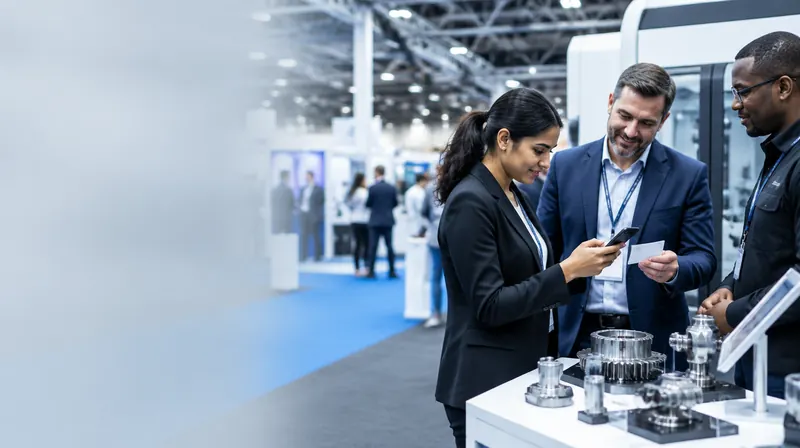
Treat the event as a listening post
For B2B marketers, the event is a place to test assumptions against real conversations.
Advanced Engineering is a UK trade show for engineering and manufacturing, held at the NEC in Birmingham. It brings together the people who design, source and make products with the suppliers of components, materials, processes and services they rely on. For a company selling into engineering, that means design engineers, production managers and buyers are all within a short walk of each other for two days.
Engineering buyers are rarely won by a brochure. They want to know whether a part or process will meet the specification, whether the supplier can hold quality and lead times at volume, and who will help when something goes wrong in qualification. Decisions usually involve engineering, quality and procurement, each with different priorities. Listening to how they frame those concerns tells you more about your positioning than any survey. If you are building a wider event programme, my approach as an exhibition marketing consultant starts from exactly this kind of listening.
Questions worth listening for at Advanced Engineering
Rather than counting badge scans, note the themes that keep coming up. In engineering and manufacturing conversations, they tend to include:
- Technical fit: tolerances, materials data and whether the solution has been proven in a comparable application.
- Supply-chain resilience: lead times, capacity, second sources and where manufacturing takes place.
- Quality and compliance: certification, traceability and the documentation needed for customer approval.
- Total cost over the product's life, not just unit price, and how to justify it internally.
- Engineering support: who helps with design for manufacture, prototyping and problems after launch.
Turn observations into useful marketing
Before arriving, decide which people and questions matter most. During the show, listen for repeated needs and the language buyers use. Afterward, turn those observations into content, sales enablement and a more focused event plan.
Before the show
Pick a few target sectors or applications and write down the assumptions you want to test, such as what really drives supplier switching. Book meetings with existing customers and partners in advance so the stand time goes to new conversations. Give the team a short shared template for capturing what each visitor said.
At the show
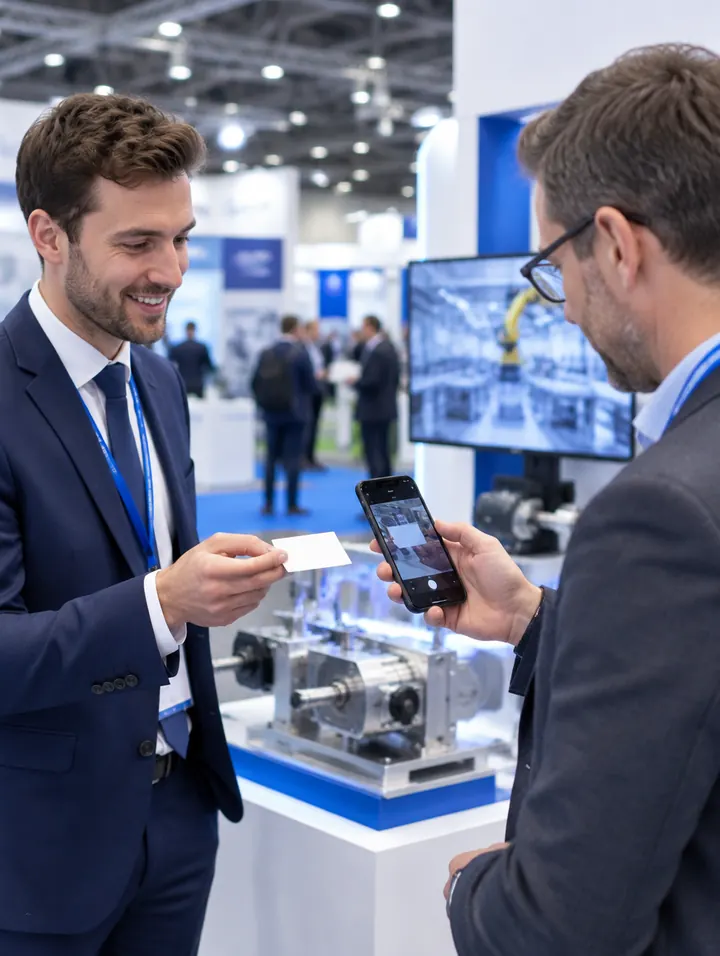
Record the exact words engineers use to describe their problems; that language belongs in your next brochure and landing page. Separate people gathering information from those with a live project and a timeline. Scan each business card straight after the conversation and add the context while it is fresh.
After the show
Within the first week, group what you heard by theme and review it with sales and product. Turn the most frequent questions into application notes, technical FAQs or a cost comparison guide. Use the quality of conversations, not just their volume, to decide which audiences to prioritise at the next event.
Capture business cards without losing the context
After a busy day on the show floor, cards end up scattered across pockets and bags, handwritten notes become hard to read and photos of cards disappear among hundreds of other pictures on a phone. By the time follow-up starts, nobody remembers who asked for a quotation and who only wanted a datasheet. A simple routine solves this:
Straight after each conversation, open CardToDeal in your phone's browser and scan the card; there is no app to install and no account to create.
Check the details the AI has extracted: name, company, job title, email and phone.
Jot down what you discussed, the agreed next step and a priority in your phone's notes while it is fresh; you will add this to the exported data.
The same evening, export the contacts to CSV or Excel, or move them into the team's CRM, such as VynDeal.
Send follow-ups within the window agreed with sales, starting with the highest-priority contacts.
Only collect details from people who have handed you their card or agreed to be contacted, and follow your company's data-protection rules. If you want to manage those contacts as opportunities with stages and tasks, VynDeal lets you work the pipeline from your scanned contacts.
Make the next conversation count
A useful event report records what the team learned, which conversations deserve follow-up and what should change next time.
- The needs and objections heard most often, in the buyers' own words.
- Conversations that deserve follow-up, each with an owner, a priority and a date for the next contact.
- Which messages, demonstrations and materials landed well, and which caused confusion.
- Signals about competitors, new technical requirements and changes in how buyers source suppliers.
- What to change next time: target audiences, stand set-up, materials and how tasks are shared across the team.