Positioning wall
A crisp message hierarchy that lets buyers understand category, value and proof before a salesperson starts explaining.
geography
Vietnam Companies Exhibiting in India for Vietnam manufacturers and export teams who need an India exhibition presence that feels premium, operationally controlled and connected to sales follow-up.
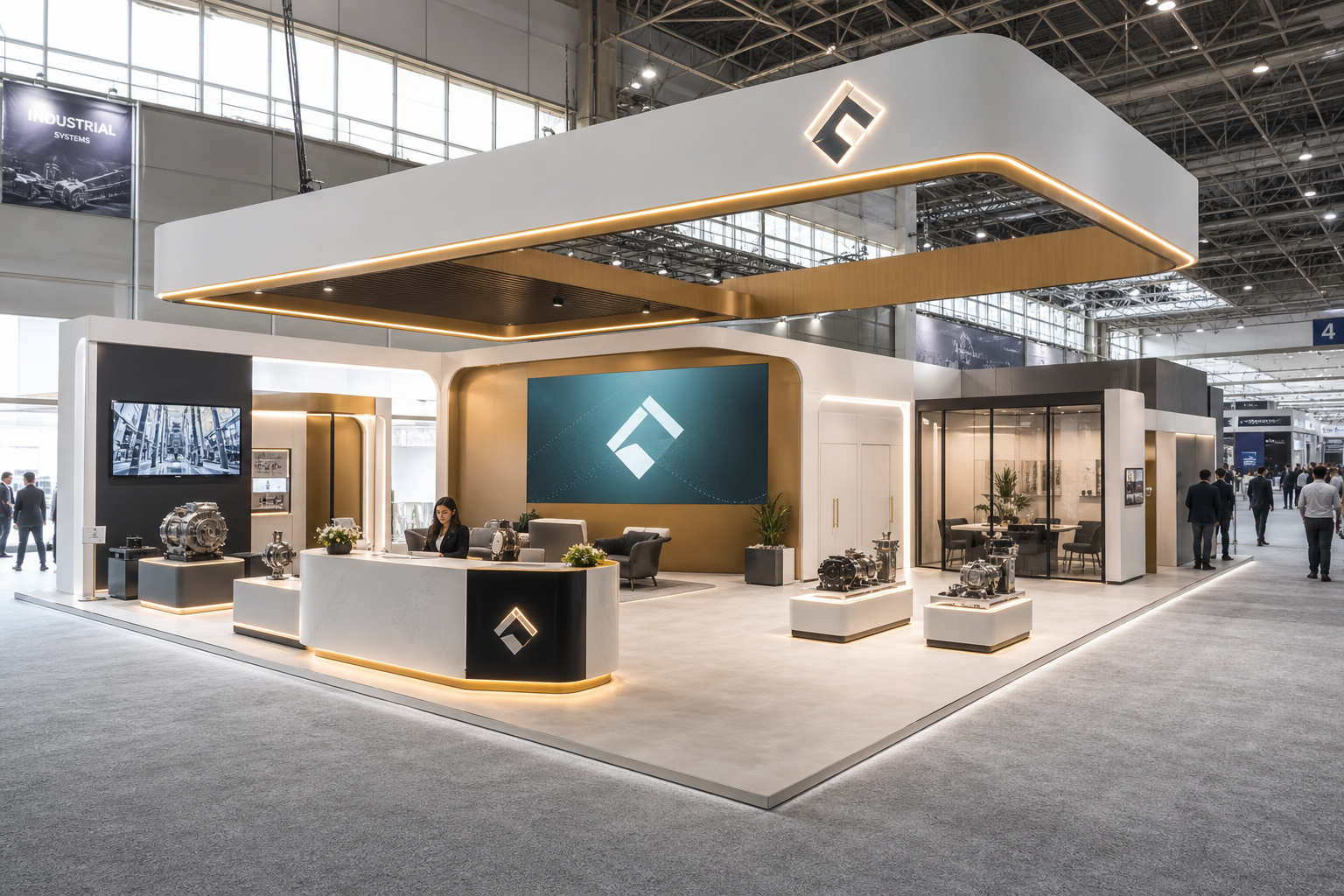
Exhibition brief
A Vietnam Companies Exhibiting in India page has to answer a practical cross-border question: how does a team outside India keep control of design quality, fabrication choices, installation progress and lead handoff without flying in for every decision? The useful answer is not a vague promise of local support. It is a cadence: concept direction, drawing review, material choices, production checkpoints, venue rules, installation evidence and a final show-day operating plan.
For Vietnam manufacturers and export teams, this also means translating the brand's global exhibition language into an Indian hall without losing restraint. The booth should feel international, but it must still work with local contractor realities, venue timelines, aisle behaviour, freight constraints and the sales style of the show. That is why this page focuses on remote approvals, booth story, visitor flow and post-show follow-up rather than treating India execution as a purchasing chore.
Strategic fit
For Vietnam manufacturers and export teams, the risk is rarely the idea of exhibiting in India. The risk is project control from a distance: approving design, checking fabrication quality, keeping the booth aligned to the brand book, and making sure the visitor experience works for Indian show conditions. This page treats the booth as a managed revenue environment rather than a decorative structure.
The best-fit client is a manufacturer with a serious product, a sales team that needs qualified conversations, and a leadership group that wants booth spend to connect to pipeline instead of disappearing into a photo folder after the show.
Booth system
A crisp message hierarchy that lets buyers understand category, value and proof before a salesperson starts explaining.
Reception, demo, product, meeting and storage zones are planned so the stand feels open without becoming chaotic.
Lead capture is treated as part of booth design, with CardToDeal and VynDeal available for capture, routing, quotes and follow-up.
Space planning
Every square metre should either attract the right visitor, clarify the product, enable a useful conversation, or support the team operating the stand. Large booths fail when they become furniture showrooms. Small booths fail when every function fights for the same two metres.
For Vietnam companies exhibiting in India, the planning begins with product weight, demo duration, decision-maker profile, required privacy, storage, power, AV and the number of conversations the team can handle at once.
Exhibition pipeline
Booth design by Quiamo, lead capture with CardToDeal, pipeline follow-up with VynDeal. Use the tools where they fit; the goal is a cleaner journey from anonymous visitor to qualified opportunity.
FAQs
For serious Indian exhibitions, begin 10 to 16 weeks before the show. Complex fabrication, imported product demos, double-decker structures and country pavilions need more time for approvals, drawings and venue coordination.
Yes. The operating model should include remote approvals, milestone reviews, artwork locks, vendor accountability, installation updates and a clear escalation path for the India team.
Quiamo can coordinate execution support and vendor management where appropriate. The positioning is not generic carpentry; it is strategy-led booth design and project coordination for manufacturers.
CardToDeal can be used at the reception desk or by sales staff to scan visiting cards and convert them into structured lead records while show context is still fresh.
VynDeal can help move exhibition leads into follow-up stages, sample requests, quotes, RFQs, opportunity tracking and sales rhythm after the event.
Talk to Quiamo
Send the basics now. The first useful conversation is usually about event, booth size, products, visitor type, timeline and what must happen after the show.